Check availability
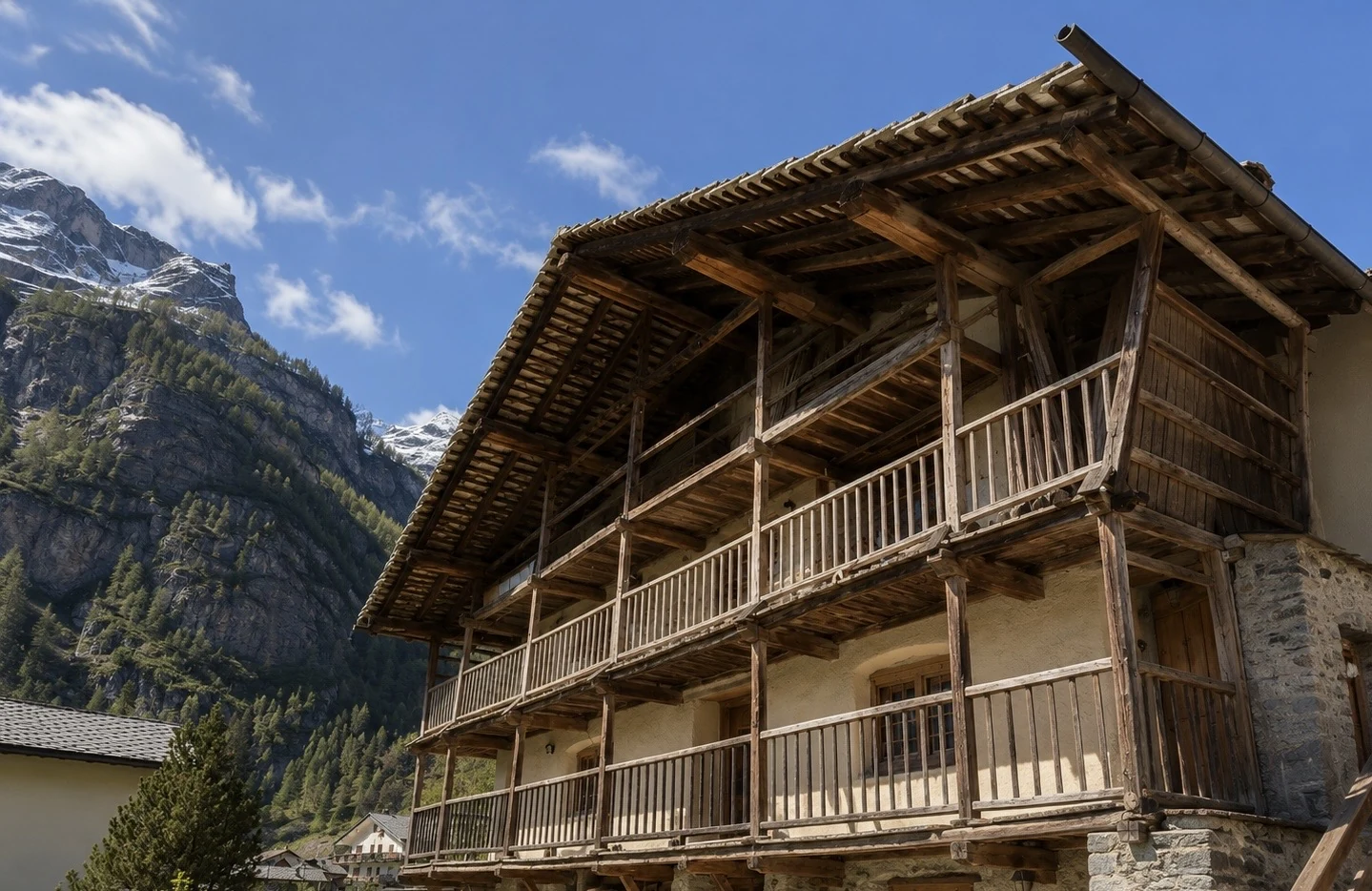
Edelboden · Gressoney-La-Trinité

The story of a Walser house

Almost three and a half centuries of timber, stone, work and silence. Casalpina has changed more than once, but it has never stopped being a home.

Our story

A line through time

From the earliest traces in 1680 to the contemporary restoration. We do not know every detail about the people who lived here, but the structure, inscriptions and materials tell enough to follow the house through time.

1680

The original house

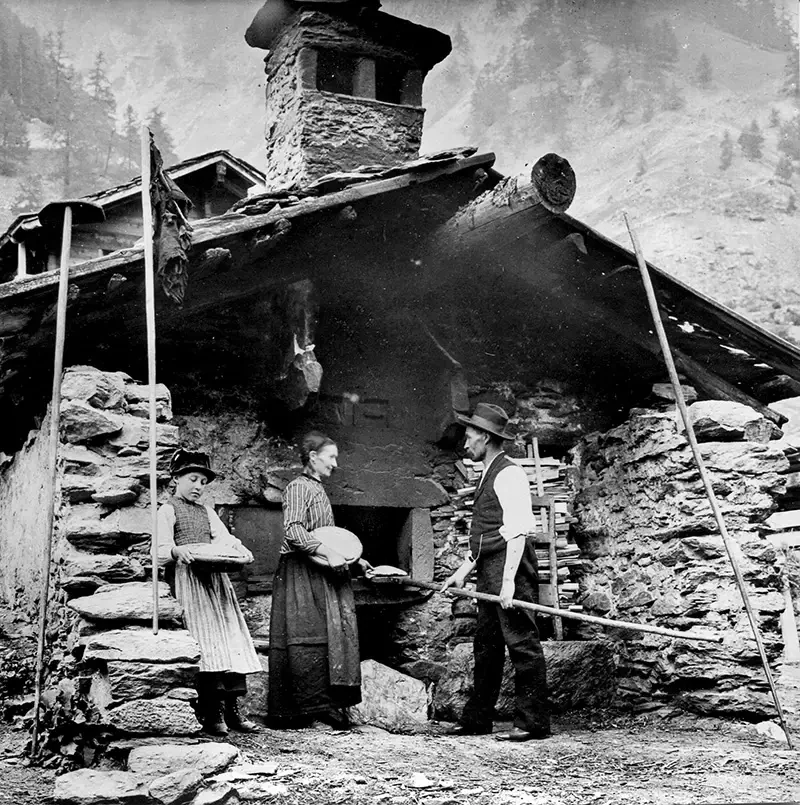
The first Walser settlers reached Gressoney around 1100, crossing the Felik and Lys passes. The first traces of Casalpina date to a few centuries later, around 1680. It was built precisely to make survival at high altitude possible for its inhabitants and their animals, bringing the dwelling, stable and crop storage together under one roof.
1735 → 1900

The house grows with the community

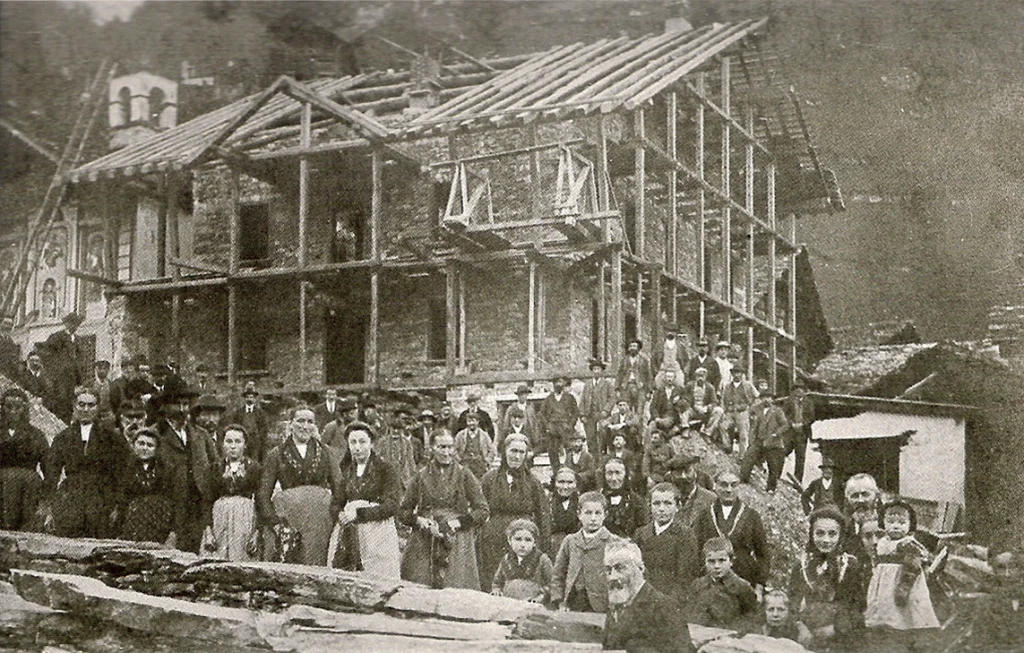
In 1735 the house was reorganised: the roof was raised and the ridge beam replaced to make room for a larger granary. Around 1900, the adjoining building was then constructed, with a bedroom, a cellar and a large stable with hayloft.

1980

Fifty years of silence

Around 1980 the house was abandoned. The family moved to Turin and the building fell out of use. For decades it remained almost empty. In a way, that silence is exactly what protected it from overly invasive alterations. Then, in 2020, our family decided to move here to Gressoney. On a walk, we fell in love with the view and decided to give the house a new life.

2021

Bio-building restoration

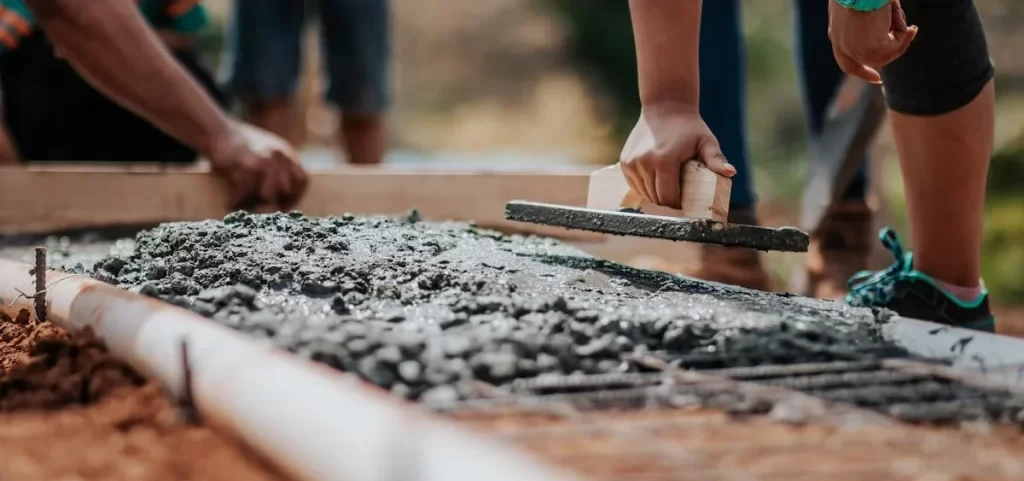
In 2021 the bio-building restoration began. The materials guided the work: reclaimed original larch, natural plasters, clay, stone, cocciopesto and underfloor heating. The aim was not to make it new, but to bring it back to life while respecting its essence.

Today

Authentic hospitality

Today Casalpina welcomes travellers from all over the world. It has not become a museum: it simply continues to do what it has always done — be a home.

01

How the house was lived in

In the past, the ground floor housed animals, hay and much of the farmers’ work during the coldest months. People lived on the first floor. Higher up, in the Stadel, was the Spichel, the storage area in Titsch. Each level had a clear purpose.

02

A carefully chosen place

Its position reflects old mountain wisdom. Casalpina is among the last houses in the valley to lose the sun, enjoys an open view and is protected by the slope beside it, which also shelters it from avalanches.

The same house. New stories since 1680.

Check availability →